

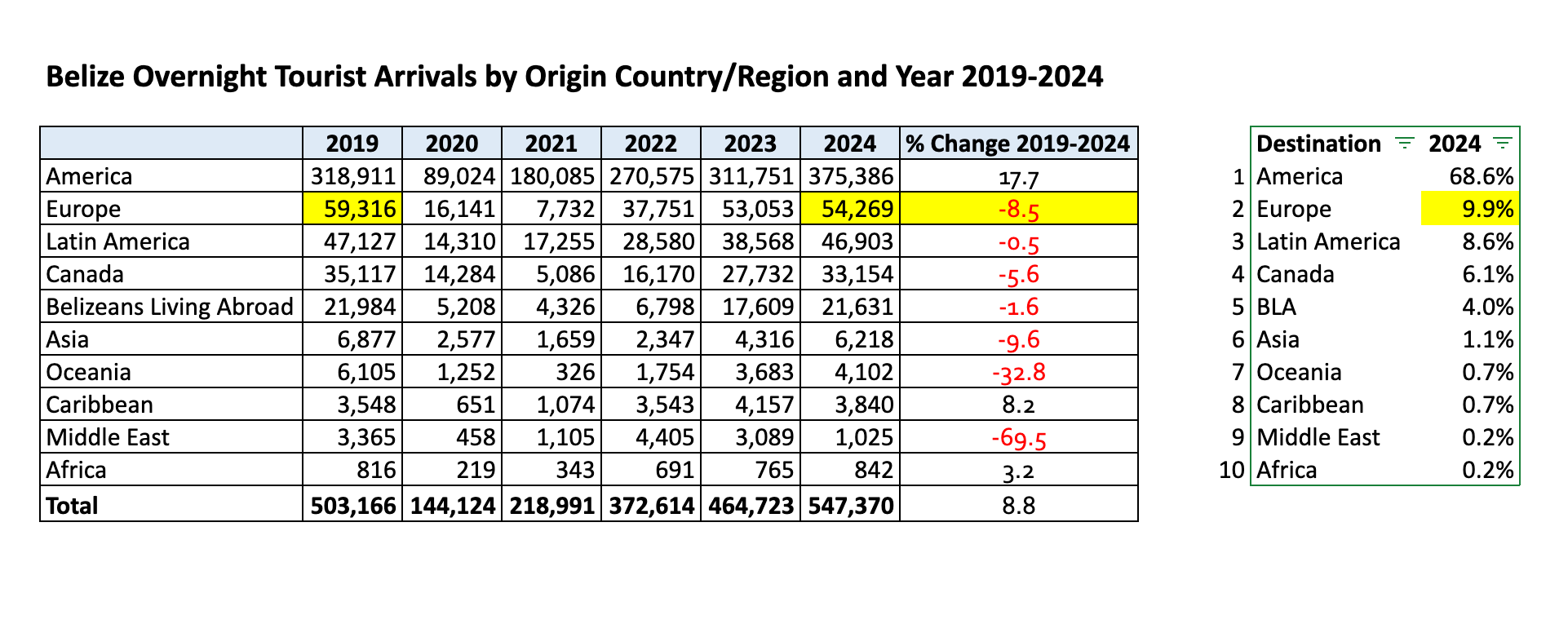
Belize depends on the United States for 68.6% of overnight visitors. That level of concentration is risky. One market dictates Belize’s seasonality, pricing, marketing cycles, and exposure to economic downturns. And because American travelers mostly visit Belize’s islands, that concentration also shapes where tourism dollars circulate in the country. If Belize wants a more resilient tourism base, it needs more visitors who travel differently.
The bigger, longer-term opportunity is Europe. Europeans already travel widely across Central America; they stay longer, move through multiple regions, travel in the off-season, and look for culture, nature, small towns, and slow travel. They are exactly the type of travelers who could strengthen Belize’s inland destinations and reduce the country’s dependence on North America.
Guatemala shows what’s possible.
Guatemala attracts far more Europeans — showing Belize the size of the opportunity
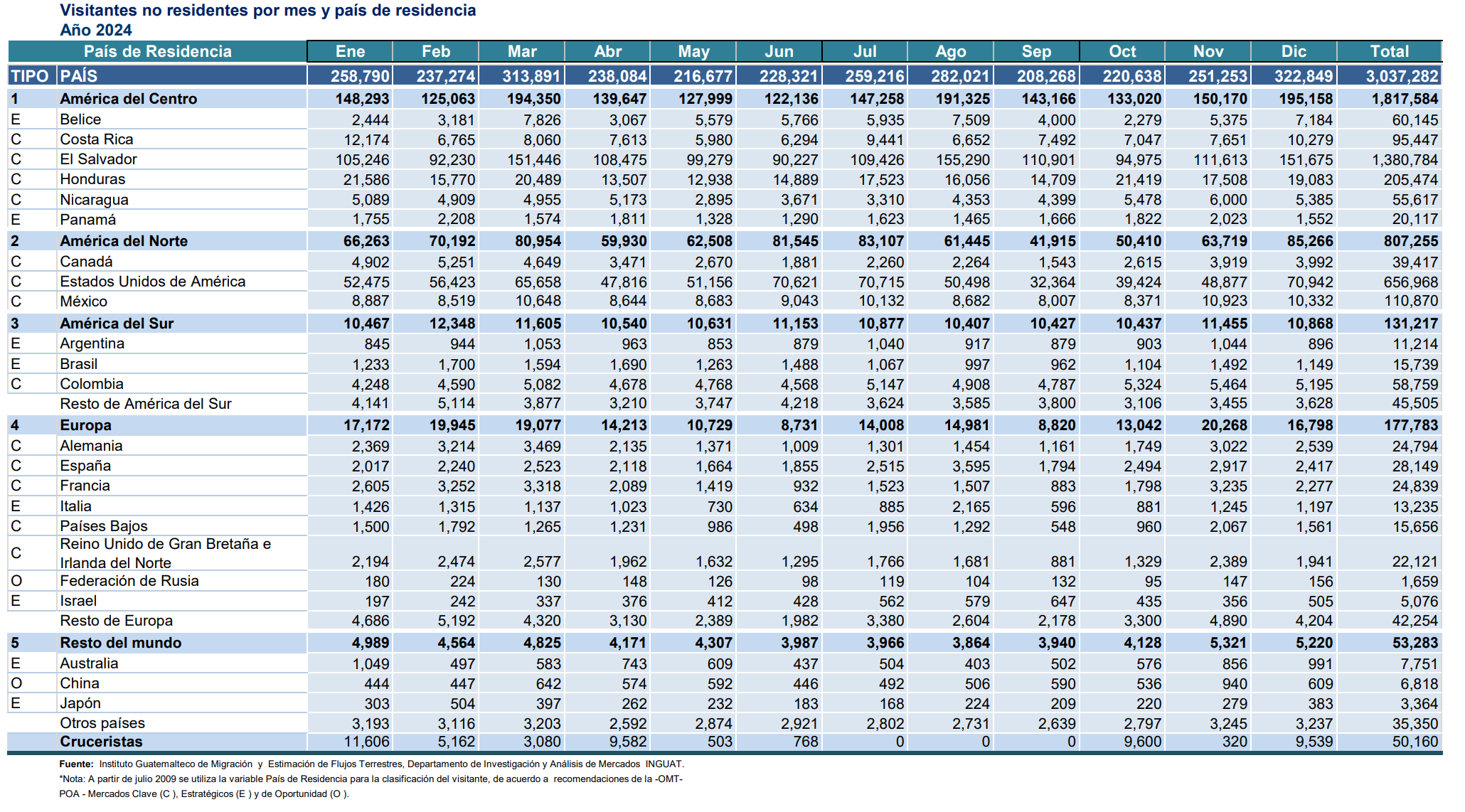
Guatemala welcomed 177,783 European tourists in 2024, primarily from six countries:
Spain: 28,149;
France: 24,839;
Germany: 24,794;
United Kingdom: 22,121;
Netherlands: 15,656; and
Italy: 13,235.
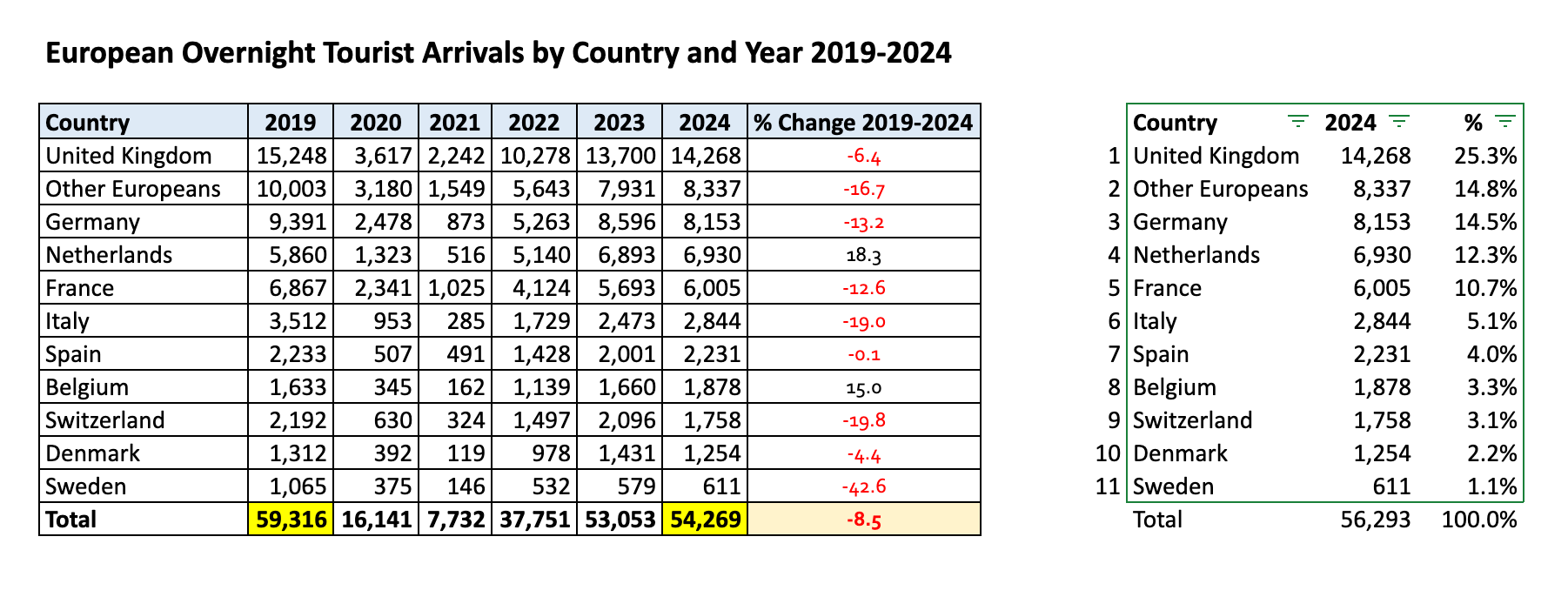
In contrast, Belize welcomed 54,269 European visitors in 2024. That’s three times less. And if you look at Belize’s top European markets:
United Kingdom: 14,268;
Germany: 8,153;
Netherlands: 6,930;
France: 6,005;
Italy: 2,844; and
Spain: 2,231.
You’ll notice the massive overlap with Guatemala. Europeans that visit Belize are already in the region — the country simply isn’t capturing more of them, despite offering many of the same nature, history, culture, and adventure products as Guatemala.
But why the discrepancy? I think there’s two obvious reasons.
1. Guatemala’s lodging structure is more diversified than Belize’s, with multiple tiers and a much stronger mid-sized segment.
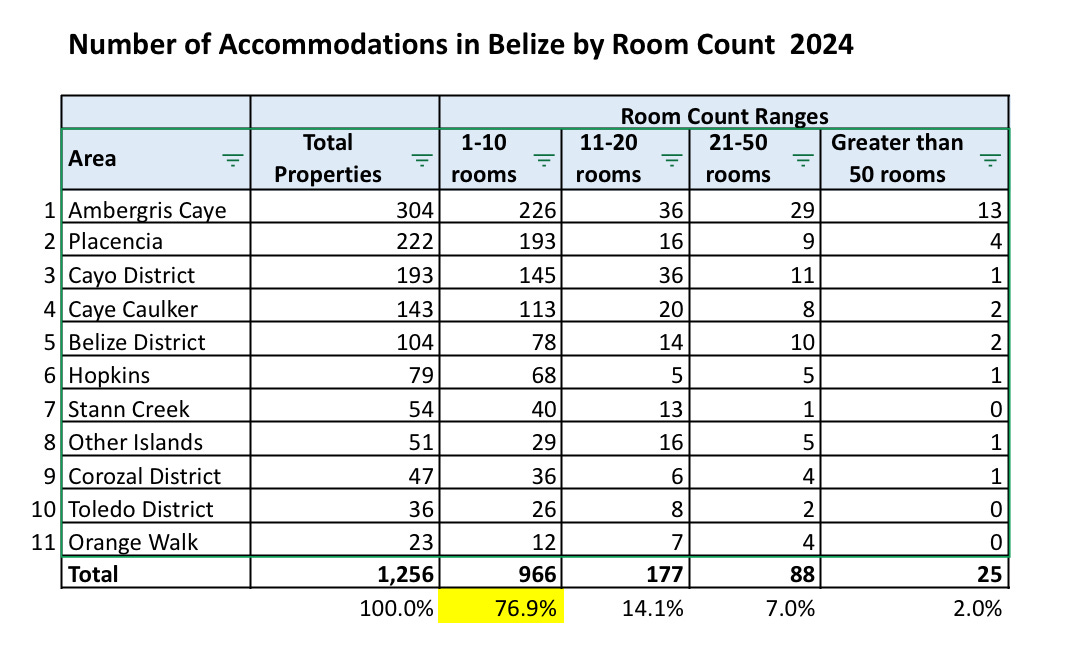
Belize has 1,256 accommodations with 11,397 rooms, averaging about 9 rooms per property. Over 75% of all properties have 1-10 rooms. This boutique-heavy structure might fit a certain North American demographic but it creates a narrow product range. It leaves Belize with limited options for the mid-market and budget-focused travelers who make up a large share of European travelers that visit the region.
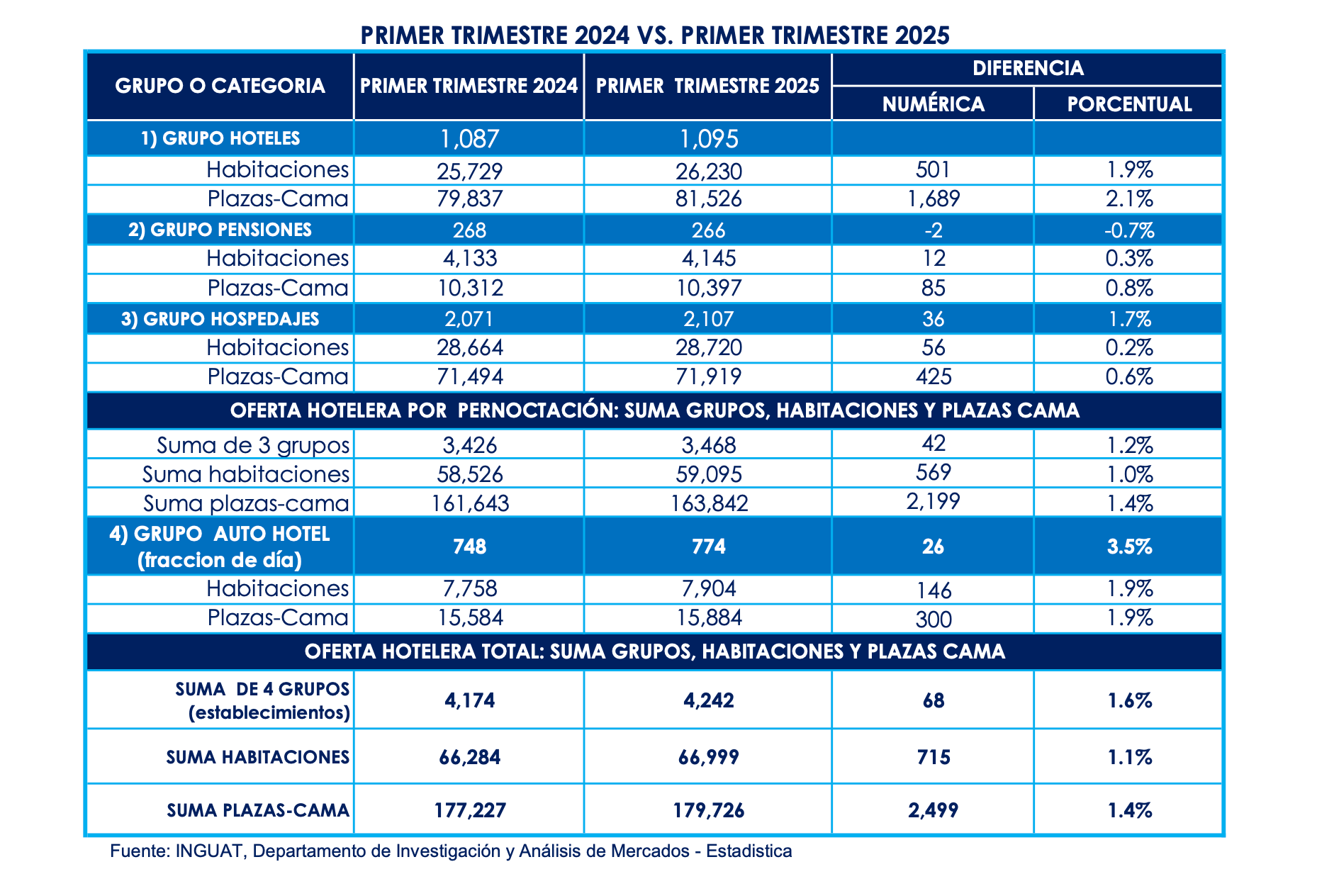
Guatemala, on the other hand, with 4,242 accommodations and 66,999 rooms, has an average of 16 rooms per property. And more importantly, it has a broad distribution range of accommodations, which include:
Hotels / Resorts: 1,095 properties, 26,230 rooms (avg. 24 rooms);
Guesthouses: 266 properties, 4,145 rooms (avg. 16 rooms);
Hostels: 2,107 properties, 28,720 rooms (avg. 14 rooms); and
Motels: 774 properties, 7,904 rooms (avg. 10 rooms).
This creates a wide middle layer of hundreds of 15–40 room guesthouses and hotels. This is exactly the lodging size and price point European slow-travelers prefer.
2. Europeans prefer to travel differently. And Belize’s system doesn’t match their style yet.
European travelers take longer trips, move through multiple towns, and look for culture, walkability, and affordable lodging. Their typical Central America journey is 10–14 days with several stops, which is very different from the shorter, two-stop pattern common among North Americans.
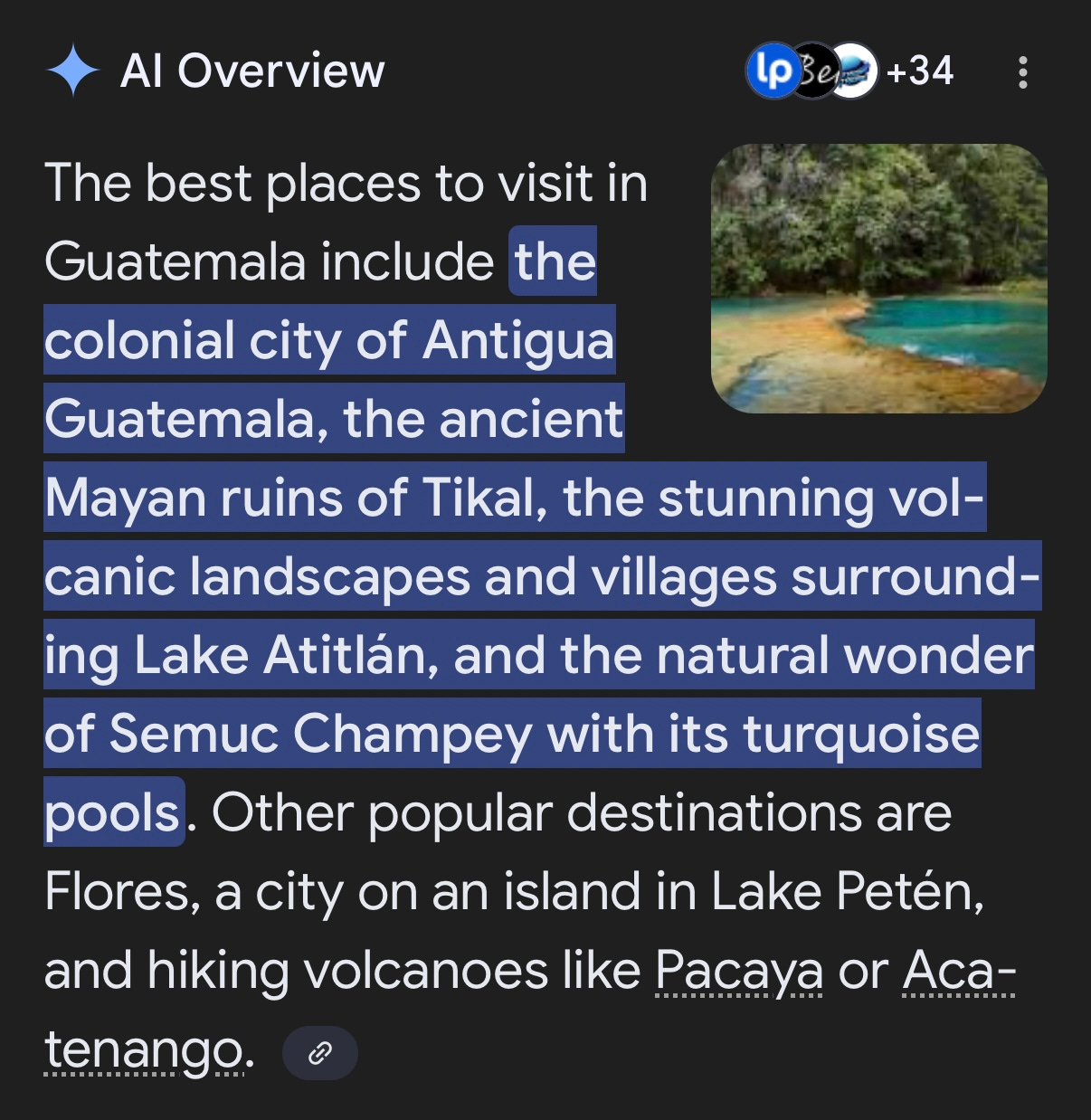
Guatemala fits this style naturally because its main destinations form an intuitive, low-cost circuit that Europeans enjoy, including:
Guatemala City, the primary entry point for Europeans with strong regional flights and reliable bus and shuttle connections;
Antigua, a walkable colonial hub with cafés, nightlife, and well-known Spanish schools;
Lake Atitlán, a chain of boat-linked villages with markets, hiking, and budget-friendly lodges;
Semuc Champey / Lanquín, a remote jungle area known for turquoise pools, caves, and backpacker guesthouses; and
Tikal / Flores, a major archaeological site paired with a relaxed town offering affordable hotels and straightforward shuttle routes.
Together, these stops offer the culture, nature, activity, and value Europeans look for, supported by dependable transportation and a strong mid-market lodging base.
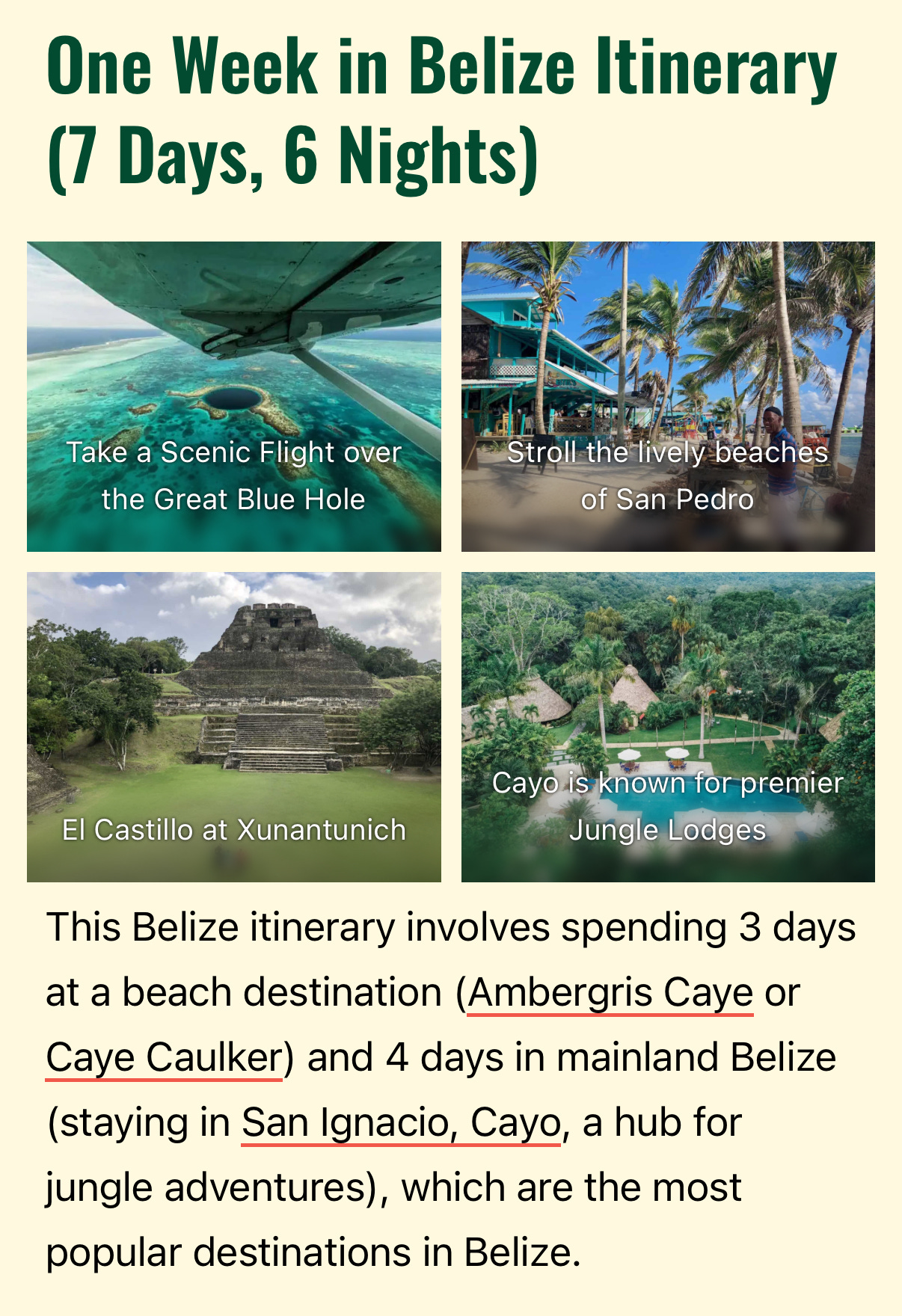
Belize’s product is strong, but its structure aligns with a different model:
shorter average stays;
few dense, walkable inland towns that are central destinations;
limited and higher transportation costs;
few hostel and mid-sized hotel options; and
a two-stop itinerary rather than a multi-town circuit.
My point is simple, the issue isn’t interest — Europeans already love the region. Belize simply doesn’t yet match the format of travel they’re used to and prefer. But that of course can change if Belize wants.
Putting It All Together: How Belize Can Grow the European Market
To attract Europeans, Belize needs to structure its offerings around how Europeans already travel in Central America. This requires targeted, achievable steps rather than a major overhaul.
Build inland circuits rather than isolated stops
Link San Ignacio, Hopkins, Dangriga, Punta Gorda, Orange Walk, Corozal, and Sarteneja into clear, accessible multi-stop itineraries that work for 10–14 day trips. These routes should be packaged, priced, and promoted as cohesive experiences. Predictable shuttle and bus schedules, mapped itineraries, and sample trip plans will help visitors understand how to move from one region to the next.
Expand mid-market lodging inland
More small, affordable hotels, guesthouses, and hostels would make inland travel more accessible for slow-travel Europeans. Tourism stakeholders need to understand the value of product diversification and how Belize’s small boutique hotels segment is saturated. New or existing businesses can differentiate themselves by targeting the mid-range visitor — a segment Guatemala captures very well and Belize currently underserves.
Position Belize as a natural extension of a Guatemala trip
European tourists already fly into Guatemala City in large numbers each year (over 100,000). Belize should present itself as the natural next step. This means cross-border partnership packages and securing space in Guatemala-based tour operators’ Central America itineraries. Even a small spillover share would strengthen Belize’s visitor mix.
Strengthen cross-border mobility
Better transportation between Peten and Western Belize would make two-country travel simple and appealing: predictable shuttle and bus schedules, posted pricing, good signage, and a smoother border experience. When a route feels easy, travelers will follow — and right now, that ease is to stay on Guatemala’s side.
Market Belize based on Europe’s interests
Nature, archaeology, birding, community tourism, and reef-to-rainforest experiences align well with European travel values. Belize’s marketing should highlight these strengths and show how they match the long, exploratory travel style Europeans already practice in Guatemala and Mexico. Messaging that emphasizes affordable inland stays, active experiences, and multi-stop routes will resonate most.
I think the most immediate issue is the runway at PGIA is too short for the typical long range European jets, and we probably don't have the infrastructure to deal with passengers that arrive at 6pm from Europe and want to leave close to midnight. And nowadays, nobody wants to transit in Miami. BTB has been visiting Europe, will be interesting to see what comes of that. I really enjoy your work, keep it coming.